Candlestick Patterns Every Trader Should Know
Candlestick patterns are one of the most powerful tools in technical analysis. Whether you’re a beginner or an experienced trader, understanding candlestick patterns can help you identify market trends, predict price movements, and make better trading decisions.
These patterns reflect the battle between buyers and sellers and provide valuable insights into market psychology. In this guide, we’ll explore the most important candlestick patterns every trader should know and how to use them effectively.
What Are Candlestick Patterns?
Candlestick patterns are formations created by one or more candlesticks on a price chart. Each candlestick represents a specific time period and displays four key pieces of information:
- Open Price
- High Price
- Low Price
- Close Price
By analyzing these patterns, traders can identify potential trend reversals, continuation signals, and market sentiment.
Why Are Candlestick Patterns Important?
Understanding candlestick patterns offers several advantages:
✔ Helps identify trend reversals early
✔ Improves trade entry and exit timing
✔ Enhances risk management
✔ Works across stocks, forex, commodities, and cryptocurrencies
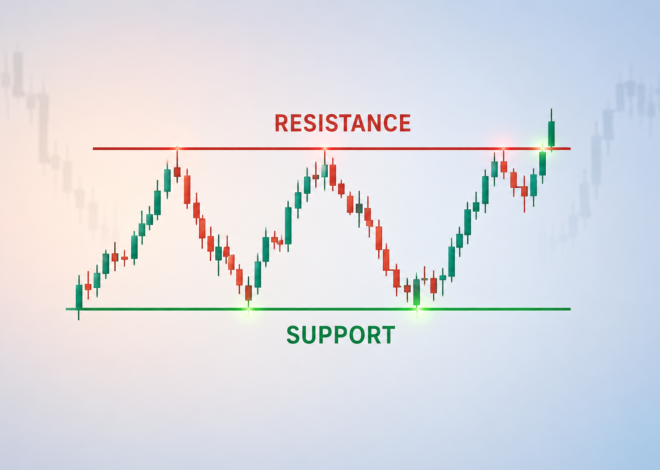
✔ Combines effectively with support and resistance levels
For traders seeking consistency, learning candlestick patterns is a fundamental skill.
Top Bullish Candlestick Patterns Every Trader Should Know
1. Hammer Pattern
The Hammer is a popular bullish reversal pattern that appears after a downtrend.
Characteristics:
- Small body near the top
- Long lower shadow
- Little or no upper shadow
What It Indicates:
The Hammer shows that sellers pushed prices lower, but buyers regained control before the close.
Trading Tip:
Look for confirmation with the next bullish candle before entering a trade.
2. Bullish Engulfing Pattern
The Bullish Engulfing pattern consists of two candles:
- First candle is bearish
- Second candle is bullish and completely engulfs the previous candle
What It Indicates:
Strong buying pressure and potential trend reversal.
Best Used:
Near major support zones or after a significant price decline.
3. Morning Star Pattern
The Morning Star is a three-candle bullish reversal pattern.
Structure:
- Large bearish candle
- Small indecision candle
- Strong bullish candle
What It Indicates:
A shift from selling pressure to buying momentum.
Trading Tip:
Volume confirmation can increase the reliability of this pattern.
4. Piercing Line Pattern
The Piercing Line pattern consists of:
- One strong bearish candle
- Followed by a bullish candle that closes above the midpoint of the first candle
Signal:
Potential reversal from bearish to bullish sentiment.
Top Bearish Candlestick Patterns Every Trader Should Know
5. Shooting Star Pattern
The Shooting Star is a bearish reversal pattern appearing after an uptrend.
Characteristics:
- Small real body
- Long upper shadow
- Minimal lower shadow
What It Indicates:
Buyers attempted to push prices higher but failed, allowing sellers to take control.
6. Bearish Engulfing Pattern
This pattern consists of:
- Small bullish candle
- Large bearish candle that completely engulfs the previous candle
Signal:
Potential bearish reversal and increased selling pressure.
Best Used:
Near resistance levels or after a strong uptrend.
7. Evening Star Pattern
The Evening Star is the bearish counterpart of the Morning Star.
Structure:
- Strong bullish candle
- Small indecision candle
- Large bearish candle
What It Indicates:
Momentum shifting from buyers to sellers.
8. Dark Cloud Cover Pattern
This pattern appears when:
- A bullish candle is followed by a bearish candle
- The bearish candle closes below the midpoint of the previous candle
Signal:
Possible trend reversal to the downside.
Continuation Candlestick Patterns
9. Rising Three Methods
This bullish continuation pattern suggests the trend is likely to continue upward.
Structure:
- One strong bullish candle
- Three small bearish candles
- Another strong bullish candle
Meaning:
Temporary pullback within a strong uptrend.
10. Falling Three Methods
The bearish version of the Rising Three Methods.
Meaning:
Temporary pause before the downtrend continues.
Doji Candlestick Pattern
11. Doji
A Doji forms when the opening and closing prices are nearly identical.
Types of Doji:
- Standard Doji
- Dragonfly Doji
- Gravestone Doji
- Long-Legged Doji
What It Indicates:
Market indecision between buyers and sellers.
Important:
A Doji alone isn’t a trading signal. Always seek confirmation.
How to Trade Candlestick Patterns Successfully
Many traders make the mistake of relying solely on candlestick patterns. For better results, combine them with:
1. Support and Resistance
Patterns near key levels tend to be more reliable.
2. Trend Analysis
Trade with the overall market trend whenever possible.
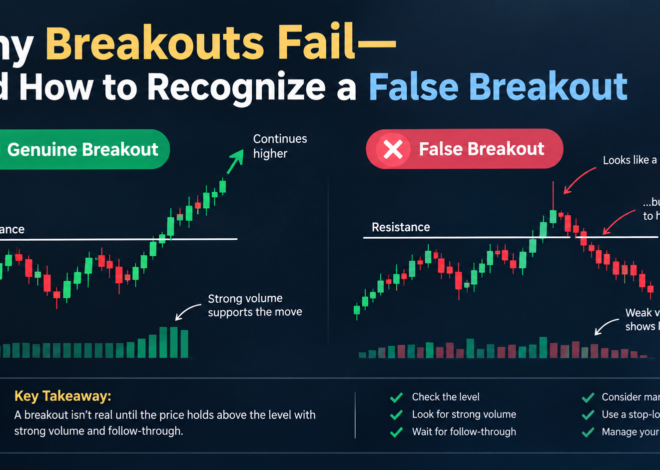
3. Volume Confirmation
Higher volume often strengthens the validity of a pattern.
4. Risk Management
Always use stop-loss orders and proper position sizing.
5. Multiple Time Frame Analysis
Check higher time frames before making trading decisions.
Common Mistakes Traders Make
Ignoring Market Context
A pattern is more meaningful when it appears in the right location.
Trading Without Confirmation
Wait for the next candle to confirm the signal.
Overtrading
Not every candlestick pattern is worth trading.
Ignoring Risk Management
Even the strongest setups can fail.
Best Candlestick Patterns for Beginners
If you’re just starting, focus on these high-probability patterns:
- Hammer
- Bullish Engulfing
- Bearish Engulfing
- Shooting Star
- Morning Star
- Evening Star
- Doji
Mastering these patterns can significantly improve your chart-reading skills.
Conclusion
Learning the candlestick patterns every trader should know is an essential step toward becoming a successful trader. Patterns such as the Hammer, Bullish Engulfing, Shooting Star, Morning Star, and Doji provide valuable clues about market sentiment and potential price movements.
However, no pattern guarantees success. The most effective approach is to combine candlestick analysis with trend analysis, support and resistance levels, volume, and proper risk management.
Successful trading isn’t about finding a perfect pattern—it’s about consistently applying a disciplined strategy based on reliable market signals.